
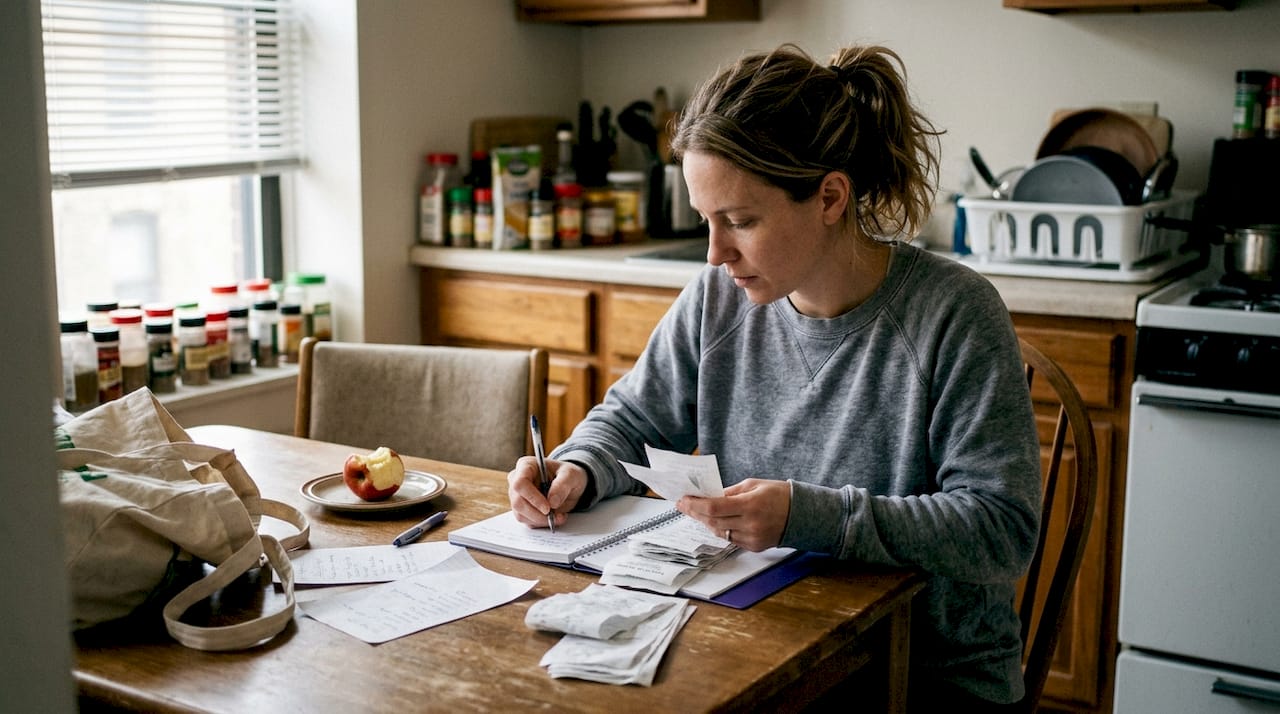
You check out at the grocery store, glance at the total, and feel that familiar sinking feeling. Somehow, despite your best efforts, the number keeps climbing. Grocery prices have risen 3.2% and everyday household costs aren’t far behind. It’s exhausting, honestly. But here’s the thing: you’re not out of options. This guide walks you through a practical, step-by-step approach to shopping smarter, spending less, and still getting everything you actually need. No gimmicks, no extreme couponing marathons. Just real strategies that work.
Table of Contents
- Start with a money-saving mindset
- Essential tools and strategies for budget-friendly shopping
- How to shop smart for everyday essentials
- Step-by-step: Planning and executing a budget-friendly weekly shop
- Common mistakes and how to check your savings
- Upgrade your savings with smart finds
- Frequently asked questions
Key Takeaways
| Point | Details |
|---|---|
| Budget mindset first | Setting clear goals and tracking spending is the foundation for effective savings. |
| Use smart strategies | Meal planning, unit price comparison, and shopping with a list help control costs. |
| Shop new vs secondhand | Choose secondhand for safe categories but buy certain items new for safety and hygiene. |
| Check your savings | Regular reviews of your spending confirm what really works for your household. |
Start with a money-saving mindset
Now that you’ve seen how everyday costs add up, let’s build a solid foundation for saving. The truth is, smart shopping starts long before you walk through any store door. It starts with understanding where your money is actually going.
Most people are surprised when they sit down and track their spending for the first time. That $4 coffee here, that extra snack there. It adds up faster than you’d think. Developing a smart shopping mindset means treating your budget like a tool, not a punishment.
One of the most effective frameworks out there is the 50/30/20 budgeting rule: 50% of your income goes to needs, 30% to wants, and 20% to savings or debt. It’s simple, but it changes how you see every purchase. When you know your grocery run falls under “needs,” you start protecting that category more intentionally.
Here are some practical steps to get started:
- Analyze your last 30 days of spending before making any changes
- Set a specific savings goal, like saving $50 this month on groceries
- Automate a small savings transfer right after payday so it’s gone before you miss it
- Use a budgeting app or even a basic spreadsheet to see patterns clearly
- Review weekly, not just monthly, to catch overspending early
Pro Tip: Apps like Mint or YNAB make it easy to categorize spending visually. Seeing a big bar labeled “impulse snacks” is surprisingly motivating.
Essential tools and strategies for budget-friendly shopping
With your financial plan set, it’s time to look at the tools and strategies that give you an edge. Think of this section as your shopping toolkit.
| Tool | Primary use |
|---|---|
| Digital coupon app | Access store discounts instantly |
| Meal planner template | Reduce waste and over-buying |
| Unit price calculator | Compare true cost per ounce or unit |
| Basic spreadsheet | Track weekly spending totals |
| Reusable shopping bags | Avoid bag fees and stay organized |
Having the right tools is only half the battle. Here’s a numbered approach that actually works in practice:
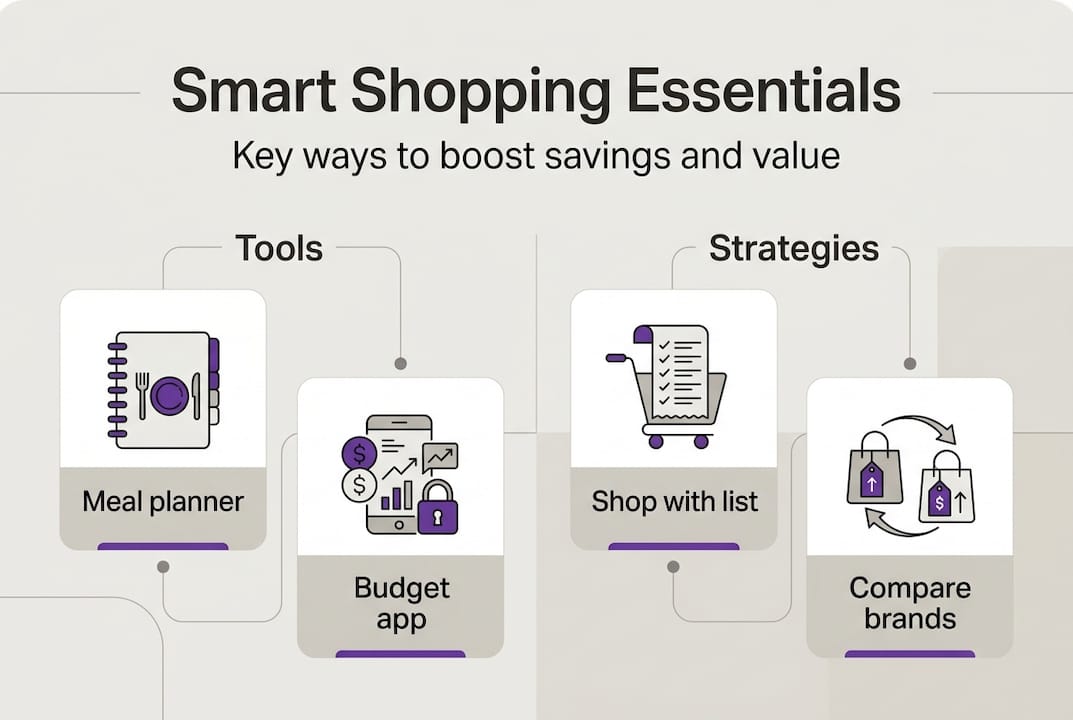
- Plan meals from what you already have before writing any list
- Compare unit prices, not just sticker prices, when choosing between sizes
- Shop mid-week when markdowns and restocks are more common
- Use loyalty apps from your regular stores for automatic discounts
- Check weekly sale cycles so you can stock up on staples at their lowest price
Meal planning reduces food waste significantly, and that matters because up to 40% of food in the US gets thrown away. That’s money straight into the trash. When you plan meals around your existing inventory first, you stop buying duplicates and start using what you paid for.

Also, always shop with a list. A real list. Not a mental one. The moment you’re wandering the aisles without direction, your cart fills up with things you didn’t need. Pair your list with home organization tools to keep your pantry visible and your shopping intentional. A well-organized pantry is basically a free budget shopping guide every single week.
Pro Tip: Never shop hungry. Studies show that impulse spending rises significantly when you’re hungry. Eat something first, even if it’s just a handful of nuts.
How to shop smart for everyday essentials
Now let’s get tactical. Knowing what and how to shop can amplify your savings even further. Not everything needs to be bought new, but not everything should be bought used either.
| Item type | Buy new | Safe secondhand | Caution or avoid used |
|---|---|---|---|
| Clothing and apparel | Optional | Yes | Check for damage |
| Furniture | Optional | Yes | Inspect thoroughly |
| Large appliances | Preferred | Yes, up to 3 generations old | Check for recalls |
| Small appliances | Recommended | Use caution | Hard-to-clean parts |
| Mattresses | Yes | Avoid | Hygiene risk |
| Baby gear and safety items | Yes | Avoid | Safety recall risk |
| Non-stick cookware | Yes | Avoid | Coating degradation |
According to Consumer Reports, buying secondhand for apparel, furniture, and electronics up to three generations old is smart. But small appliances with hard-to-clean parts, non-stick cookware, and baby safety products are better bought new.
For everyday essentials, these categories consistently offer the best value:
- Store-brand pantry staples like canned goods, pasta, and flour
- Bulk dry goods such as rice, oats, and lentils
- Basic cleaning tools like mops, brooms, and microfiber cloths
- Reusable containers instead of single-use bags or wrap
Always check Consumer Product Safety Commission alerts before buying used items, especially anything electrical or designed for children.
When you discover useful products that are built to last, you spend less over time. And when you’re shopping for safe appliances, knowing what to look for protects both your wallet and your family.
Step-by-step: Planning and executing a budget-friendly weekly shop
So how do you put it all together for immediate results? Follow this roadmap for a winning week.
- Inventory your pantry and freezer before anything else
- Draft a simple meal plan for five to seven dinners using what you already have
- Make a focused shopping list based only on what’s missing
- Check sales and coupons, both digital and paper, before leaving home
- Choose your destination wisely, whether that’s a discount store, warehouse club, or local market
- Stick to the list while you’re in the store, no detours
Here’s a real-world example. A family grocery basket under $100 can include bulk rice and pasta, canned beans, ground turkey, oats, bananas, apples, and spinach, coming in around $64 with room to spare. That’s a full week of meals with leftovers for snacks.
Up to 40% of US food is wasted every year. Buying only what you’ll actually use is one of the most powerful savings moves you can make.
Don’t overlook frozen produce either. It’s often just as nutritious as fresh, and it lasts far longer. Affordable healthy staples like oats, brown rice, eggs, canned tuna, and frozen vegetables stretch your dollar without sacrificing nutrition. Pair this approach with smart budget shopping essentials and you’ll feel the difference in your wallet within weeks. You can also explore online shopping savings to stack deals even further.
Common mistakes and how to check your savings
With your plan in action, watch out for these pitfalls to truly lock in your savings. Even the most well-intentioned shoppers fall into traps that quietly drain their budget.
Here are the most common mistakes to avoid:
- Buying oversized bulk items you won’t finish before they expire
- Chasing sales on things you wouldn’t normally buy
- Skipping unit price comparisons and assuming bigger always means cheaper
- Impulse purchases triggered by end-cap displays or “limited time” signs
- Not checking your receipt for scanning errors or duplicate charges
Bulk buying only works for items you use regularly and have space to store. Buying a 10-pound bag of flour sounds smart until half of it goes stale. The goal is reliability and value, not just the lowest price tag.
To actually measure your progress, track your grocery and household spending every month. Compare your totals. Celebrate even small wins, like saving $20 more than last month. That’s real money back in your pocket. Check out budget must-haves to make sure you’re covering the right categories, and explore money-saving products that help you spend less without giving anything up.
Pro Tip: Set a recurring calendar reminder once a month to audit your spending. Even a 15-minute review can reveal patterns you’d never notice otherwise, and adjusting early saves you more over time.
Upgrade your savings with smart finds
Budget-friendly shopping gets a whole lot easier when you have access to practical, affordable products that are already curated for you. That’s exactly what Secret Finds is built for.

Whether you’re looking for affordable self-care essentials, budget-friendly home appliances, or clever storage solutions to keep your pantry organized and your shopping intentional, Secret Finds has you covered. Every product is chosen with value and practicality in mind, so you’re never paying for fluff. Think of it as your shortcut to the hidden gems that make daily life easier without draining your wallet. Browse the collections and see what fits your routine.
Frequently asked questions
What’s the best way to start saving money on groceries?
Meal planning around your inventory first is the fastest way to cut waste and spending. Pair that with a written shopping list and you’ll avoid most impulse buys before they happen.
How do I know when buying in bulk really saves money?
Bulk buying only makes sense for items you use consistently and can store without spoilage. Bulk only for sure-use items is the rule that keeps waste from eating your savings.
What everyday products give the most savings?
Store brands, bulk dry goods, and basic cleaning supplies consistently deliver the best value per use. Affordable staples like oats, rice, and canned beans are especially cost-effective for families.
Is it safe to buy all products secondhand?
Not all products are safe to buy used. Avoid secondhand baby safety products and used mattresses due to hygiene and safety risks, but apparel and furniture are generally fine.
How can I tell if I’m really saving month-to-month?
Track spending monthly and compare your totals to the previous month. Even a small consistent drop is a sign your strategy is working.











