

Shopping for practical, affordable products shouldn’t feel like navigating a maze of misleading reviews and endless discount codes. You want items that genuinely improve your daily routine without draining your wallet, yet finding these hidden gems often means sifting through thousands of options with no clear path forward. This guide cuts through the noise with proven strategies to help you identify high-value home and wellness products in 2026. You’ll learn exactly which tools to use, how to validate quality before buying, and how to leverage community insights for smarter purchasing decisions that actually save money.
Table of Contents
- Preparing To Discover Useful Products: What You Need
- Step-By-Step Guide To Discovering And Validating Useful Products
- Avoiding Low-Quality And Unreliable Products
- Using Communities And Real-User Feedback To Confirm Value And Longevity
- Explore Affordable Home And Wellness Products From Secret Finds Online
- FAQ
Key takeaways
| Point | Details |
|---|---|
| Use deal apps and communities | Platforms like Slickdeals aggregate verified discounts from millions of users, helping you spot genuine deals quickly. |
| Analyze mid-tier reviews | Reading 3-star reviews reveals common product flaws and realistic expectations better than perfect 5-star ratings. |
| Verify certifications and warranties | Checking for NSF, UL, or similar certifications plus solid return policies protects you from low-quality purchases. |
| Combine multiple research methods | Cross-reference deal apps, trend data, review sources, and user forums to validate product value comprehensively. |
| Tap into user communities | Real shoppers share longevity data and update alerts that official product pages won’t reveal. |
Preparing to discover useful products: what you need
Before you start hunting for your next great find, gather the right tools and establish clear criteria. Smart product discovery isn’t about luck or endless scrolling. It’s about having a systematic approach that filters out noise and surfaces genuine value.
Start by downloading deal aggregation apps that do the heavy lifting for you. Slickdeals stands out as a community-driven platform where 12 million users share and verify discounts on everything from kitchen gadgets to wellness supplements. These apps alert you to flash sales and price drops you’d otherwise miss. Beyond apps, bookmark trusted review sites like Consumer Reports and Wirecutter, which test products rigorously before recommending them.
Create a validation checklist before you buy anything. Your list should include price range limits, minimum warranty periods, required certifications for safety or quality, and review thresholds. For example, you might decide never to purchase household electronics without UL certification or health supplements without third-party testing verification. This checklist becomes your filter, eliminating products that don’t meet baseline standards.
Pro Tip: Set price drop alerts on deal apps for specific product categories you’re interested in, so you catch discounts within hours rather than days.
Here’s a quick reference table of essential discovery tools:
| Tool Type | Example | Key Feature |
| — | — |
| Deal aggregator | Slickdeals | Community-verified discounts with voting system |
| Review platform | Wirecutter | Expert testing and comparison |
| Trend validator | Google Trends | Product demand patterns over time |
| Community forum | Reddit (r/BuyItForLife) | Long-term durability feedback |
Gather these essentials before shopping:
- Trusted deal aggregation apps installed and configured
- Bookmarked review sites for quick cross-referencing
- Trend analysis tools ready for demand validation
- Personal budget limits and quality criteria documented
- Spreadsheet or notes app for tracking product comparisons
Once you have these resources organized, you’re ready to move from passive browsing to active, strategic product discovery. The goal is to make budget-friendly daily essentials easier to identify without sacrificing quality or overspending.
Step-by-step guide to discovering and validating useful products
Now that you have your tools ready, follow this systematic approach to find and verify products worth buying. This method combines multiple validation layers to minimize buyer’s remorse and maximize value.
-
Search deal aggregation apps and community forums first. Open Slickdeals or similar platforms and browse categories aligned with your needs, like home improvement or wellness. Sort by popularity and recent activity to see what other budget-conscious shoppers are actually buying. Community votes and comments quickly reveal whether a deal is legitimate or overhyped.
-
Analyze mid-tier reviews for honest insights. When you find a promising product, skip the glowing 5-star reviews and dive into the 3-star feedback. These balanced reviews typically mention both pros and cons, revealing deal-breakers like durability issues or misleading product descriptions. Look for patterns across multiple 3-star reviews rather than isolated complaints.
-
Validate product demand with Google Trends and sales ranks. Check if interest in the product is rising, steady, or declining over the past year. A product with consistent or growing search volume indicates sustained demand, not just a passing fad. On Amazon, examine the Best Sellers Rank in relevant categories to gauge real-world popularity.
-
Check third-party certifications and supplier warranties. For electronics, verify UL or ETL safety certifications. For supplements and wellness products, look for NSF International or USP verification. Read the warranty terms carefully. A manufacturer confident in their product typically offers at least a one-year warranty with hassle-free returns.
-
Compare price and cost-per-use metrics for true value. Divide the product price by estimated uses or lifespan to calculate cost per use. A $30 kitchen tool used daily for five years costs just pennies per use, while a $15 gadget that breaks in three months is far more expensive in the long run. This metric helps you distinguish genuine bargains from false economy.
Pro Tip: Create a simple spreadsheet to track products you’re considering, with columns for price, certifications, warranty length, review scores, and cost-per-use calculations. This visual comparison makes the best choice obvious.
This structured approach transforms vague product browsing into targeted discovery. You’re not just finding deals but validating that each purchase aligns with your quality standards and budget. These save money shopping online tips work because they force you to slow down and verify before clicking buy, eliminating impulse purchases that lead to regret.
Avoiding low-quality and unreliable products
Even with careful research, some products slip through with clever marketing and fake reviews. Learning to spot red flags protects your wallet and prevents the frustration of returns and replacements.
Start by verifying certifications like NSF for supplements or UL for electrical items. These aren’t just logos; they represent independent testing that confirms safety and performance claims. If a product page mentions certifications, search the certifying organization’s database to confirm the product is actually listed. Counterfeit certification claims are surprisingly common.

Cross-check information across at least three independent sources. Read professional reviews, user feedback on multiple platforms, and manufacturer specifications. If these sources contradict each other, that’s a warning sign. For example, if a blender claims 1200 watts on its product page but reviews mention weak performance, dig deeper or move on.
Supplier warranty and return policies reveal a lot about product confidence. A 30-day or longer money-back guarantee with free return shipping suggests the seller stands behind their product. Conversely, restocking fees, short return windows, or vague warranty language often indicate quality concerns. Before buying household appliances, always confirm the return process is straightforward.
Watch for these common warning signs:
- Product photos that look professionally staged but have no user-submitted images
- Reviews that use identical phrasing or were all posted within a few days
- Vague product descriptions lacking specific measurements or materials
- Seller accounts with limited history or sudden surges in inventory
- Prices dramatically lower than competitors without clear explanation
When evaluating cost-per-use, aim for products with verified longevity data from user communities. If reviewers consistently report a product lasting 2-3 years with regular use, you can calculate realistic value. Without this real-world confirmation, manufacturer claims about durability are just marketing.
This defensive approach might seem time-consuming, but it saves hours of hassle dealing with returns and replacements. You’re building a personal database of trusted brands and reliable product categories that will speed up future purchases while maintaining quality standards.
Using communities and real-user feedback to confirm value and longevity
Official product pages and even professional reviews can’t match the value of hearing from people who’ve used a product daily for months or years. User communities provide the longevity data and practical insights that matter most for budget-conscious shopping.
Engage with multiple communities to get diverse perspectives. Reddit’s r/BuyItForLife focuses specifically on durable products worth the investment. Deal-focused forums like Slickdeals have active discussion threads where users share long-term experiences. Facebook groups centered on specific product categories, like kitchen gadgets or wellness supplements, offer targeted feedback from enthusiasts who’ve tried dozens of options.
Here are the most valuable platforms for community-driven insights:
- Reddit communities (r/BuyItForLife, r/Frugal, category-specific subreddits)
- Slickdeals forum discussions beyond just deal listings
- Facebook groups focused on product categories you’re researching
- YouTube comment sections on detailed product review videos
- Amazon Q&A sections where users answer practical questions
Compare what you learn from communities against official specifications:
| Data Source | Strengths | Limitations |
| — | — |
| Community feedback | Real-world durability, practical use cases, failure patterns | Subjective, may not represent typical use |
| Official specs | Precise measurements, certifications, warranty terms | Marketing-optimized, lacks longevity data |
| Professional reviews | Controlled testing, cross-product comparisons | Limited long-term use, potential brand relationships |
When you find a product that interests you, search for it in user communities and read through the discussion threads. Pay special attention to comments from users who’ve owned the product for six months or longer. They’ll mention issues that don’t appear in the first week of use, like parts that wear out, performance degradation, or customer service experiences.
Longevity data helps you time purchases strategically. If community members report that a product line typically gets refreshed every 18 months, you might wait for the next version or grab the current model at a steep discount. This expert validation framework combines checklist validation with community insights before you commit to buying.
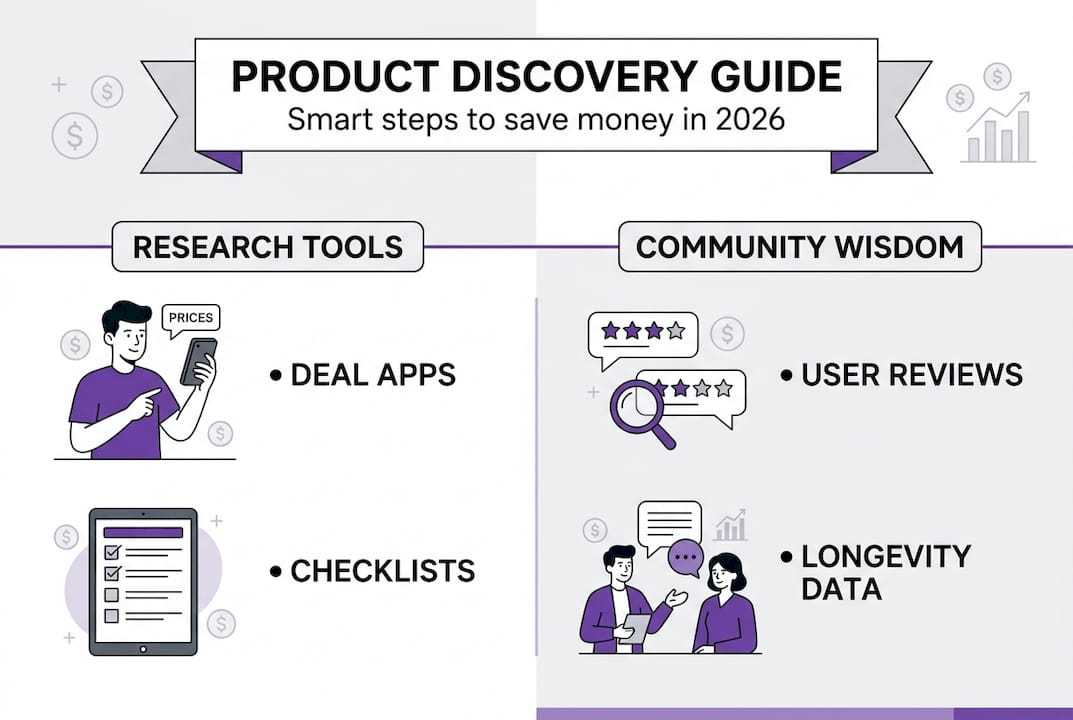
Pro Tip: Follow product update threads in communities to learn when improved versions launch. You’ll either get a better product or score deep discounts on the previous model that still meets your needs.
By combining structured research with community wisdom, you build confidence that your purchases will deliver value for years, not just months. This approach aligns perfectly with the mission at Secret Finds Online, where practical, affordable products are curated with real-world usefulness in mind.
Explore affordable home and wellness products from Secret Finds Online
Now that you know how to research and validate products like a pro, put those skills to work with curated collections designed for budget-conscious shoppers. Secret Finds Online specializes in practical, affordable items that enhance your daily routine without the guesswork.
Browse the home appliances category for kitchen tools, cleaning essentials, and organizational solutions that have already been vetted for quality and value. Each product listing includes detailed specifications and honest descriptions to help you make informed decisions quickly.

Looking to organize your space efficiently? Check out home storage & organization for clever solutions that maximize your living area. For wellness-focused shoppers, products like 6-in-1 organic mushroom powder offer targeted health benefits with transparent ingredient sourcing. Every item is selected with the same criteria you’ve learned in this guide: verified quality, genuine value, and practical everyday usefulness.
FAQ
What apps are best for discovering deals on useful products?
Slickdeals leads the pack with over 12 million active users who share and verify discounts across thousands of product categories. The community voting system quickly surfaces legitimate deals while filtering out overhyped promotions. Set up custom alerts for categories you care about, and you’ll receive notifications within minutes of price drops, often before deals sell out.
How can I tell if a cheap product is actually good quality?
Verify certifications like NSF for supplements or UL for electronics, and cross-check product claims across at least three independent sources including professional reviews, user feedback, and manufacturer specifications. Check warranty terms and return policies closely. Products backed by solid guarantees and responsive customer service rarely disappoint, while vague policies often signal quality concerns.
Why should I read 3-star reviews when choosing products?
Mid-tier reviews reveal realistic expectations and common flaws that 5-star reviews often gloss over. Shoppers leaving 3-star feedback typically liked some aspects but encountered specific issues worth knowing about, like sizing inconsistencies or durability concerns. These balanced perspectives help you decide if a product’s weaknesses matter for your intended use, preventing buyer’s remorse.
How do I calculate cost-per-use to compare product value?
Divide the purchase price by your estimated number of uses over the product’s expected lifespan. A $40 water bottle used daily for three years costs about 4 cents per use, while a $10 bottle that breaks in six months costs 5 cents per use despite the lower upfront price. This metric reveals true value and helps justify spending slightly more on durable items that last.
What’s the best way to track products I’m considering buying?
Create a simple spreadsheet with columns for product name, price, key features, certifications, warranty length, review scores, and cost-per-use calculations. Add a notes column for community feedback or concerns you discover during research. This visual comparison makes it obvious which products offer the best combination of quality, value, and reliability for your specific needs and budget.











