

Shopping in 2026 looks nothing like it did just two years ago. AI agents now handle tasks you once spent hours on, from hunting deals to comparing ingredients across dozens of websites. For budget-conscious health shoppers, this shift means smarter spending without the manual grind. These digital assistants parse your preferences, track price histories, and even negotiate on your behalf. This guide shows you how to harness AI shopping tools effectively while protecting your privacy and maximizing savings on health essentials.
Table of Contents
- How Smart Shopping Works In 2026: AI Agents As Your Personal Shoppers
- Smart Shopping For Health And Wellness: Prioritizing Value And Clean Labels
- Benefits And Challenges Of Agentic AI Shopping In 2026
- How To Smart Shop Effectively In 2026: Practical Tips For Budget Health Buyers
- Discover Affordable Health Essentials With Smart Shopping Tools
Key takeaways
| Point | Details |
|---|---|
| AI agents automate shopping | They research products, compare prices, and complete purchases based on your preferences and budget. |
| Health shoppers prioritize transparency | AI tools scan labels for clean ingredients, nutrient density, and avoid artificial additives. |
| Privacy requires active management | Sharing health data with AI carries risks, so use privacy settings and limit access where possible. |
| Combine AI with manual checks | Verify ingredient claims and prices yourself to catch errors and avoid unwanted purchases. |
| AR integration boosts confidence | Virtual try-ons increase purchase certainty by 40%, reducing returns and buyer regret. |
How smart shopping works in 2026: AI agents as your personal shoppers
AI agents handle research, price comparisons, deal hunting, and purchases based on user intent and preferences. You type a simple query like “health supplements under $50 with omega-3,” and the agent scans multiple platforms instantly. It evaluates reviews, checks ingredient lists, and flags products that match your criteria. This eliminates the tab-juggling nightmare of manual comparison shopping.
These agents parse natural language with impressive accuracy. They understand context, so “budget-friendly protein powder without artificial sweeteners” yields results that truly fit both requirements. The technology behind this relies on large language models trained on shopping behavior, product databases, and consumer preferences. When you interact with these tools, they learn your priorities over time, refining recommendations with each search.
Price tracking has become dynamic and predictive. Rufus AI tracks price histories over 30 and 90 day periods, setting alerts when items drop below your target. You can configure auto-buy triggers, so the agent completes the purchase when conditions are met. This removes the stress of monitoring deals manually and ensures you never miss a window. Around 70% of shoppers now use AI tools regularly, making this the new normal rather than an experimental feature.
Augmented reality integration adds another layer. Virtual try-ons for supplements might sound odd, but AR shows you product sizes, packaging details, and even simulates shelf placement in your pantry. This visual confirmation increases purchase confidence by 40%, cutting down on returns and buyer’s remorse. For health products, seeing exactly what you’re getting matters more than for generic household items.
Multi-source comparisons happen in seconds. An agent might pull data from Amazon, Walmart, specialty health retailers, and direct-to-consumer brands simultaneously. It weighs shipping costs, delivery times, return policies, and user ratings to present a ranked list. You see the best overall value, not just the lowest sticker price. This holistic approach mirrors how you’d shop if you had unlimited time and patience.
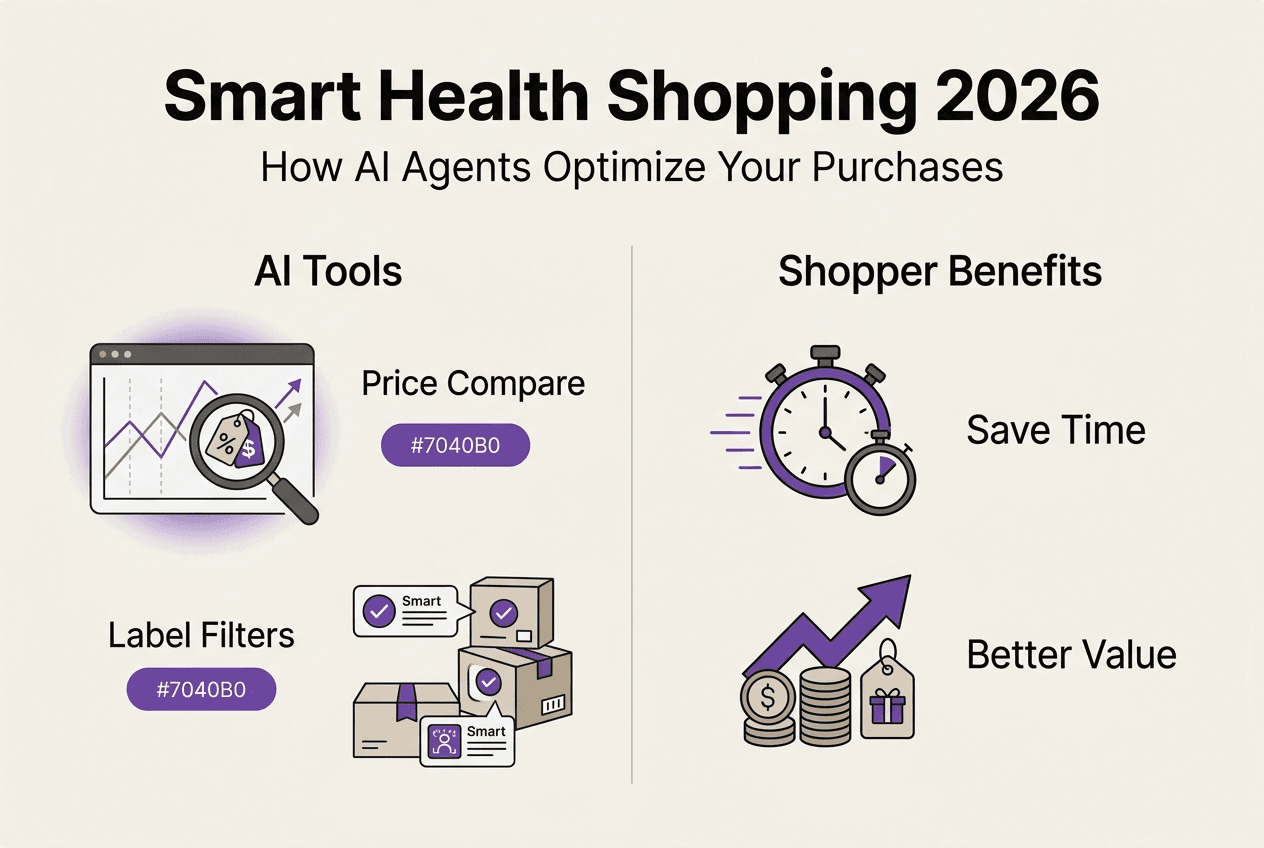
Pro Tip: Set AI price alerts for your regular health purchases, but always cross-check the final price at checkout. Algorithms occasionally miss coupon stacks or flash sales that require manual activation. Combining automation with a quick manual review gives you the best of both worlds.
For saving money with AI shopping tips, the key is understanding what these agents can and cannot do. They excel at data processing and pattern recognition but lack human judgment on subjective factors like brand reputation nuances or emerging ingredient controversies. Use them as powerful assistants, not infallible decision makers.
Smart shopping for health and wellness: Prioritizing value and clean labels
Health-conscious shoppers have specific non-negotiables that AI tools now accommodate seamlessly. 68% of health shoppers read ingredients first, and the dietary supplements market hit $55 billion in 2026. AI agents filter products by ingredient quality, flagging items with artificial colors, preservatives, or allergens you want to avoid. This instant screening saves the tedious label-reading process that once consumed shopping trips.
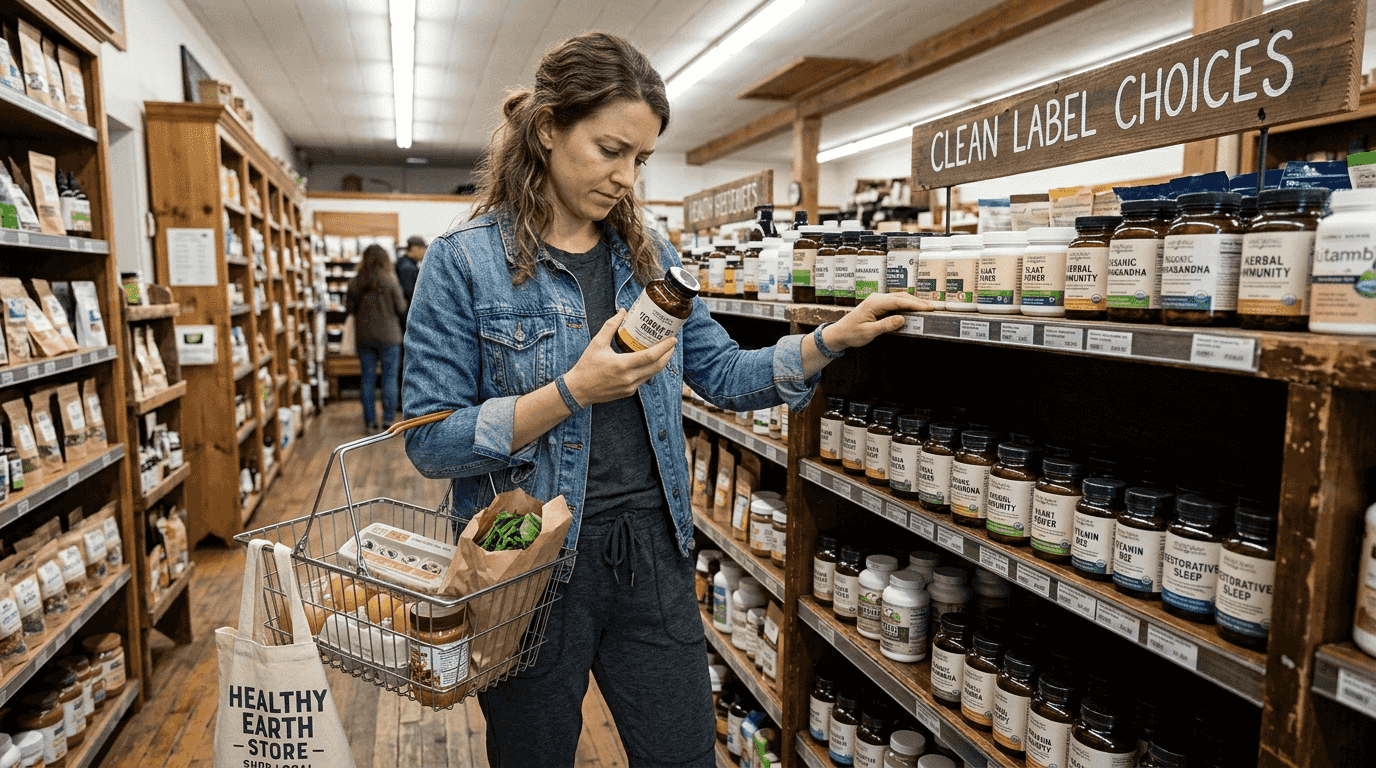
Clean label prioritization has become a standard AI feature. You can set preferences like “no high-fructose corn syrup” or “certified organic only,” and the agent excludes non-compliant products from results. For supplements, it checks for third-party testing certifications, dosage transparency, and bioavailability data. This level of filtering was nearly impossible manually unless you spent hours researching each brand.
Nutrient density calculations help you maximize health value per dollar. AI compares protein content, fiber levels, vitamin concentrations, and other metrics across similar products. It highlights options that deliver more nutrition for less money, a critical factor for budget shoppers. For example, comparing two omega-3 supplements, the agent shows which provides higher EPA and DHA concentrations at a lower cost per serving.
Barcode scanning integration connects AI shopping agents with wellness apps. AI scans barcodes for ingredient analysis, prioritizing clean labels and nutrient density in real-time. Apps like Yuka or EWG’s Healthy Living provide safety scores that AI agents incorporate into purchase recommendations. This cross-platform synergy creates a comprehensive health screening system.
| Feature | AI Priority | Budget Impact | Health Benefit |
| — | — | — |
| Clean ingredients | High | Moderate | Reduces additive exposure |
| Third-party testing | High | Low | Ensures purity and potency |
| Nutrient density | Very High | High | Maximizes value per dollar |
| Organic certification | Medium | High | Limits pesticide residues |
| Subscription discounts | Medium | Very High | Lowers repeat purchase costs |
Pro Tip: Pair AI shopping recommendations with independent wellness apps for a second opinion on ingredient safety. AI agents prioritize what you tell them to, but apps like Yuka use different databases and criteria that can catch concerns the agent missed.
For budget-friendly health essentials, AI tools identify products that balance affordability with quality. They track price-per-serving metrics, compare generic versus name-brand formulations, and alert you to sales on items you regularly purchase. This automation turns budget health shopping from a chore into a streamlined process.
Benefits and challenges of agentic AI shopping in 2026
The convenience factor is undeniable. AI agents save an average of 5 hours per month on shopping tasks, from research to checkout. They handle repetitive purchases automatically, reorder household staples before you run out, and find deals you’d never discover manually. For busy shoppers juggling work and family, this time savings translates to real quality-of-life improvements.
Price optimization reaches levels impossible for humans. 89% of retailers report AI increases revenue and reduces costs by 95%, but consumers benefit too. Agents negotiate dynamic pricing, apply coupon stacks automatically, and time purchases to coincide with predictable price drops. Over a year, these micro-optimizations can save hundreds of dollars on health and wellness spending.
Yet privacy concerns loom large. Sharing your health conditions, dietary restrictions, and supplement preferences with AI creates a detailed profile that’s valuable to advertisers and data brokers. Consumer watchdogs warn of personalized upselling risks and privacy concerns when AI agents access too much personal information. The data you provide to save money could be used to manipulate future purchases or sold to third parties.
Surveillance pricing represents another risk. If retailers know your exact budget limits and purchase urgency through AI data sharing, they might adjust prices to extract maximum payment. This dynamic pricing can work against you if the algorithm determines you’re willing to pay more for certain health products. The transparency that helps you also helps sellers optimize their revenue.
| Aspect | Convenience Benefit | Privacy/Economic Risk |
|---|---|---|
| Time savings | 5+ hours monthly freed up | Data profiling enables manipulation |
| Price optimization | Hundreds saved annually | Surveillance pricing extracts value |
| Personalization | Tailored health recommendations | Sensitive health data exposure |
| Retailer impact | Better deals from competition | Reduced impulse buys hurt small shops |
Retail economics shift dramatically. Reduced impulse purchases hurt retailers who rely on unplanned buying, particularly smaller shops without AI infrastructure. Big Tech gains power as gatekeepers of shopping data, while consumers and retailers both become dependent on these platforms. This centralization raises long-term concerns about market competition and choice.
Key considerations when adopting AI shopping:
- Significant time savings on research and price comparisons
- Automated deal hunting finds savings you’d miss manually
- Health data sharing creates privacy vulnerabilities
- Surveillance pricing may offset some savings benefits
- Retail market concentration favors Big Tech platforms
- Reduced human judgment can lead to suboptimal choices
For online shopping privacy advice, the balance lies in selective data sharing. Provide enough information for useful recommendations but withhold sensitive details that aren’t essential. Use privacy settings aggressively and review what data the agent stores about you regularly.
How to smart shop effectively in 2026: Practical tips for budget health buyers
Start by configuring your AI agent with clear budget parameters and health priorities. Set a monthly spending limit for supplements and wellness products, then specify must-have criteria like “certified organic” or “no artificial sweeteners.” The more precise your initial setup, the better your results. Update these preferences as your needs change to keep recommendations relevant.
Verify ingredient claims manually, especially for produce and supplements. AI agents pull data from manufacturer listings, which occasionally contain errors or outdated information. Cross-reference with the actual product label when possible, or check third-party testing databases for supplements. This double-check catches discrepancies that could affect your health or budget.
Set personalized price alerts for items you buy regularly. Configure the agent to notify you when your preferred omega-3 supplement drops below $25, or when organic protein powder hits a target price per serving. These alerts let you stock up during sales without constant monitoring. Combine this with auto-buy triggers for non-perishables to never miss a deal.
Balance convenience with mindfulness to avoid AI nudging. Agents are designed to encourage purchases, sometimes suggesting items you don’t need based on browsing patterns. Review recommendations critically before buying. Ask yourself whether the product solves a real problem or just seems appealing because the AI presented it attractively.
Use wellness barcode scanner apps alongside AI shopping tools. When the agent recommends a new supplement brand, scan it with Yuka or EWG’s app for an independent safety assessment. This dual-verification system catches ingredients or additives that might not align with your health goals, even if the product meets your stated criteria.
Steps for effective AI health shopping:
- Configure budget limits and health priorities in your AI agent settings
- Set price alerts for regular purchases to automate deal hunting
- Verify ingredient lists manually against product labels or third-party databases
- Use wellness apps to cross-check AI recommendations for safety
- Review privacy settings monthly and limit data sharing to essentials
- Combine auto-buy for staples with manual approval for new products
- Track actual spending against AI predictions to ensure savings materialize
Pro Tip: Create separate shopping profiles for different needs, like one for daily supplements and another for experimental wellness products. This segmentation prevents AI from conflating routine purchases with exploratory buying, keeping recommendations focused and budgets separate.
For budget-friendly shopping essentials, the practical application of AI tools means treating them as assistants that amplify your judgment, not replace it. The most successful smart shoppers in 2026 use AI to handle data-heavy tasks while maintaining human oversight on final decisions. This hybrid approach delivers maximum savings without sacrificing control or privacy.
Discover affordable health essentials with smart shopping tools
Now that you understand how AI shopping works, put these strategies into practice with products designed for budget-conscious health buyers. Secret Finds curates wellness essentials that align perfectly with smart shopping priorities: transparent ingredients, proven effectiveness, and genuine affordability. Our selection eliminates the guesswork AI agents sometimes introduce by pre-vetting every item for quality and value.

Explore our 6-in-1 organic mushroom powder for cognitive support and immune health, or check out our omega-3 fish oil supplement rich in EPA and DHA for heart and brain function. Each product meets the clean label standards AI tools help you identify, with third-party testing and transparent sourcing. Browse our full range of budget-friendly daily essentials to build a wellness routine that doesn’t break the bank. Smart shopping starts with smart product choices.
Frequently asked questions
What is an AI shopping agent?
An AI shopping agent is an autonomous software tool that researches products, compares prices across platforms, and completes purchases based on your stated preferences and budget. It uses natural language processing to understand requests like “find organic supplements under $30” and delivers ranked results. These agents learn from your behavior over time, refining recommendations to match your priorities more accurately.
How do AI agents help with budget-friendly health shopping?
They scan prices across dozens of retailers simultaneously to find the best deals within your budget limits. AI agents integrate with ingredient scanning apps to flag products with harmful additives or low nutrient density. Personalization algorithms identify supplements and wellness products that deliver maximum health value per dollar, accounting for serving sizes, concentrations, and certifications.
Are there privacy risks with using AI personal shoppers?
Yes, sharing health conditions, dietary restrictions, and supplement preferences creates a detailed profile that companies can use for targeted advertising or sell to data brokers. Use privacy settings to limit data collection and avoid sharing sensitive medical information unless absolutely necessary. Review what data your AI agent stores regularly and delete information you no longer want retained.
Can AI shopping agents make mistakes?
Absolutely. They rely on manufacturer data that may contain errors, outdated information, or incomplete ingredient lists. AI can also misinterpret nuanced health claims or fail to catch emerging safety concerns about specific ingredients. Always verify critical details like allergen warnings, dosages, and certifications manually before finalizing health-related purchases.
How do I balance AI convenience with manual oversight?
Use AI for data-heavy tasks like price tracking and multi-platform comparisons, but reserve final purchase decisions for yourself. Set up alerts and auto-buy for routine staples you trust, while manually approving new brands or products. Combine AI recommendations with independent wellness app checks to catch discrepancies. This hybrid approach maximizes efficiency without surrendering control over your health choices.











