

Most people assume you need expensive wild salmon or exotic supplements to reap omega-3 benefits, but affordable fish oil capsules deliver the same essential EPA and DHA your body craves. Despite confusion about sources and dosing, omega-3 fish oil remains one of the most cost-effective ways to support heart health, reduce inflammation, and protect brain function without breaking your budget. This guide cuts through the noise to explain what omega-3 fish oil actually does, how it compares to whole fish and plant sources, and practical tips to maximize benefits while minimizing costs. You’ll discover evidence-backed health improvements, safety considerations, and affordable product options that fit a budget-conscious wellness routine.
Table of Contents
- Key takeaways
- What is omega-3 fish oil and why does it matter?
- Health benefits of omega-3 fish oil based on scientific evidence
- Fish oil supplements vs whole fish and safety considerations
- Affordable omega-3 fish oil options and practical usage tips
- Explore affordable supplements for heart, brain, and joint health
- Frequently asked questions
Key Takeaways
| Point | Details |
|---|---|
| Direct EPA DHA delivery | Fish oil provides ready to use EPA and DHA, avoiding plant conversion limits. |
| Heart and brain support | Regular supplementation supports cardiovascular health and cognitive function through anti inflammatory mechanisms. |
| Low dose pain relief | Low doses under 1.35 g per day can reduce chronic inflammatory pain while minimizing side effects. |
| Moderate intake guidance | Aim for about 250 to 500 mg of EPA plus DHA daily to balance benefits and potential side effects. |
What is omega-3 fish oil and why does it matter?
Omega-3 fatty acids are polyunsaturated fats your body needs but cannot produce in sufficient amounts. The two most important types, EPA (eicosapentaenoic acid) and DHA (docosahexaenoic acid), come primarily from marine sources like fatty fish and algae. These molecules integrate into cell membranes throughout your body, influencing everything from inflammation control to brain signaling. Omega-3 fish oil provides EPA and DHA, essential for cell membranes, reducing inflammation, lowering triglycerides, and supporting heart, brain, and eye health.
Plant-based omega-3, called ALA (alpha-linolenic acid), exists in flaxseed, chia, and walnuts, but your body converts less than 15% of ALA into EPA or DHA. This inefficiency means relying solely on plant sources leaves most people short of the EPA and DHA needed for cardiovascular and cognitive benefits. Fish oil supplements bypass this conversion bottleneck, delivering ready-to-use fatty acids directly.
A typical omega-3 fish oil supplement contains around 180mg EPA and 120mg DHA per 1000mg softgel. These amounts may seem modest, but consistent intake adds up over weeks and months, supporting cellular processes that regulate inflammation, blood clotting, and vascular function. Understanding this foundation clarifies why omega-3 fish oil matters for anyone seeking affordable, evidence-backed wellness improvements.
Key reasons omega-3 fish oil stands out:
- Direct EPA and DHA delivery without relying on inefficient plant-based conversion
- Supports cardiovascular health by stabilizing arterial plaques and reducing clot formation
- Modulates inflammatory pathways critical for joint comfort and chronic pain relief
- Enhances brain cell membrane fluidity, supporting cognitive function and mood regulation
- Protects retinal health, contributing to long-term vision maintenance
Health benefits of omega-3 fish oil based on scientific evidence
Clinical research consistently demonstrates that omega-3 fish oil delivers measurable health improvements across multiple body systems. One of the most compelling findings involves chronic pain relief. Omega-3 reduces chronic inflammatory pain intensity, especially in conditions like rheumatoid arthritis and migraine, with effective low doses under 1.35g per day. This matters because many people tolerate lower doses better, avoiding side effects while still achieving pain reduction.

Cardiovascular benefits extend beyond pain management. Omega-3 fatty acids lower triglycerides more strongly at doses above 2000mg per day, leveraging anti-inflammatory and antithrombotic mechanisms that protect blood vessels. High triglyceride levels increase heart disease risk, so reducing them through affordable supplementation offers tangible protection. Studies show that sustained intake over several months produces the strongest effects, with some individuals experiencing triglyceride drops of 20-30%.
The mechanisms behind these benefits involve multiple pathways. EPA and DHA inhibit NF-κB, a protein complex that triggers inflammation when activated. By dampening this response, omega-3 fatty acids reduce swelling, pain, and tissue damage in joints and blood vessels. They also stabilize arterial plaques, making them less likely to rupture and cause heart attacks or strokes. Additionally, omega-3s reduce blood clotting by affecting platelet function, lowering the chance of dangerous clots forming in narrowed arteries.
“Omega-3 fish oil’s anti-inflammatory action and triglyceride-lowering effects make it a practical, affordable tool for reducing cardiovascular risk and managing chronic pain without pharmaceutical side effects.”
Some research indicates modest increases in LDL cholesterol with high-dose omega-3 supplementation, but this effect varies by individual and is often offset by improvements in HDL cholesterol and overall lipid profiles. The net cardiovascular benefit remains positive for most people, especially those with elevated triglycerides or inflammatory conditions. Exploring omega-3 fish oil cardiovascular benefits reveals how consistent intake supports heart rhythm, blood pressure regulation, and vascular flexibility.
Additional evidence-backed benefits include:
- Reduced joint stiffness and swelling in rheumatoid arthritis patients within 12 weeks
- Lower frequency and intensity of migraine headaches with sustained use
- Improved endothelial function, enhancing blood vessel responsiveness and circulation
- Modest blood pressure reductions, particularly in individuals with hypertension
- Support for cognitive function and memory, though more research is needed for definitive claims
For deeper insights into triglyceride lowering evidence, recent meta-analyses confirm dose-dependent effects, with higher intakes producing stronger reductions over time.
Fish oil supplements vs whole fish and safety considerations
Eating fatty fish like salmon, mackerel, or sardines provides EPA and DHA alongside protein, vitamin D, selenium, and other nutrients that supplements cannot replicate. Whole fish delivers a nutritional package that supports overall health more comprehensively than isolated omega-3 capsules. Food sources are preferred over supplements for broader nutrients, though supplements offer convenience when fish consumption is limited.
However, supplements carry some risks that whole fish do not. Research indicates that high-dose fish oil supplementation may slightly increase the risk of atrial fibrillation by about 13% and stroke by roughly 5% in certain populations. These risks appear most relevant for individuals taking more than 3 grams per day or those with pre-existing heart rhythm issues. For most budget-conscious consumers taking moderate doses, these risks remain minimal, but awareness is important.
Common side effects of fish oil supplements include fishy aftertaste, burping, and mild gastrointestinal discomfort. Freezing capsules or taking them with meals can reduce these annoyances. Fish oil is safe up to 3g per day EPA+DHA, with side effects like fishy burps, GI upset, and bleeding risk at high doses. Exceeding this threshold increases the chance of bleeding complications, especially if you take blood-thinning medications or have clotting disorders.
Quality and purity vary widely among fish oil brands. Some products contain contaminants like mercury, PCBs, or oxidized fats that diminish benefits and pose health risks. Third-party testing by organizations like USP, NSF, or IFOS verifies purity and potency, giving you confidence that what’s on the label matches what’s in the bottle. Budget-friendly brands that invest in testing offer better value than cheap, untested options.
| Factor | Whole Fish | Fish Oil Supplements |
|---|---|---|
| EPA and DHA content | High in fatty fish like salmon, mackerel, sardines | Concentrated, standardized doses per capsule |
| Additional nutrients | Protein, vitamin D, selenium, B vitamins | Minimal beyond omega-3s, sometimes added vitamin E |
| Convenience | Requires preparation, cooking, storage | Easy to store, no cooking, travel-friendly |
| Cost | Varies; canned sardines affordable, fresh salmon pricey | Low cost per serving with bulk brands like Kirkland |
| Contaminant risk | Possible mercury, PCBs in large predatory fish | Varies by brand; third-party testing reduces risk |
| Side effects | None related to omega-3 intake | Fishy burps, GI upset, bleeding risk at high doses |
Pro Tip: Choose third-party tested fish oil brands and store capsules in the refrigerator to minimize oxidation and fishy aftertaste. This simple step preserves freshness and makes supplementation more pleasant. For additional supplement quality tips, look for products with clear labeling, expiration dates, and transparency about sourcing.
Key safety considerations:
- Avoid exceeding 3g per day EPA+DHA unless supervised by a healthcare provider
- Check for drug interactions if taking anticoagulants, antiplatelet medications, or blood pressure drugs
- Monitor for allergic reactions if you have fish or shellfish allergies
- Pregnant or breastfeeding individuals should consult a doctor before starting supplements
- Watch for signs of oxidation like rancid smell or taste, indicating degraded product quality
Affordable omega-3 fish oil options and practical usage tips
Budget-conscious consumers can access high-quality omega-3 fish oil without spending a fortune. Affordable supplement brands like Nature Made and Kirkland offer tested options at low cost per serving, often under $0.15 per dose. Kirkland Signature Fish Oil, available at warehouse clubs, costs around $0.05 per softgel and carries USP verification for purity. Nature Made, widely available at drugstores and online, provides similar quality at slightly higher prices but with frequent sales and coupons.
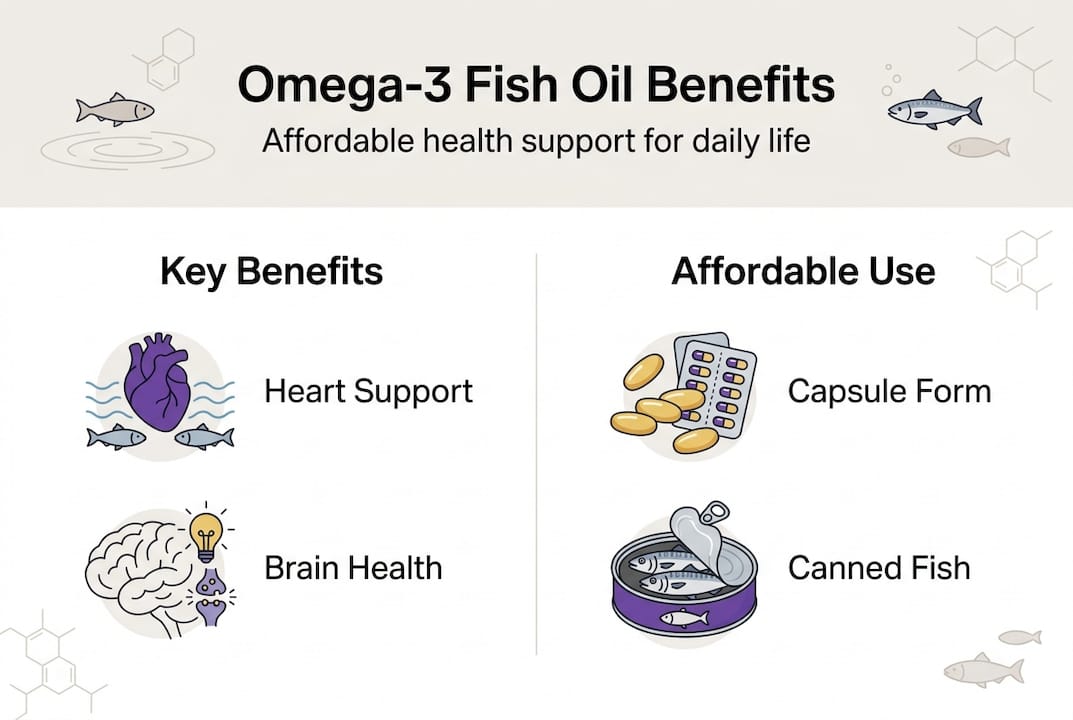
For general health maintenance, aim for 250-500mg combined EPA and DHA daily. This range supports cardiovascular function, reduces low-grade inflammation, and contributes to cognitive health without excessive intake. If you have high triglycerides or chronic inflammatory conditions, your healthcare provider may recommend 1-3 grams per day, split into multiple doses to improve absorption and reduce side effects.
Prioritizing affordable fatty fish in your diet reduces reliance on supplements and delivers broader nutrition. Canned sardines, mackerel, and salmon cost $1-3 per serving and provide substantial EPA and DHA alongside protein and calcium. Eating these fish twice weekly covers a significant portion of your omega-3 needs, leaving supplements to fill gaps on non-fish days.
| Brand | Cost per Serving | EPA+DHA per Serving | Third-Party Testing | Notes |
|---|---|---|---|---|
| Kirkland Signature | ~$0.05 | 300mg | USP verified | Excellent value, bulk packaging |
| Nature Made | ~$0.15 | 300mg | USP verified | Widely available, frequent sales |
| Nordic Naturals | ~$0.40 | 500mg | IFOS certified | Higher cost, premium purity claims |
| Carlson | ~$0.30 | 500mg | IFOS certified | Mid-range price, good quality |
| Store brands (Walmart, Target) | ~$0.08 | 300mg | Varies | Check for third-party seals |
Follow these steps to choose, store, and dose fish oil for maximum benefits:
- Select a brand with third-party testing (USP, NSF, or IFOS) to ensure purity and accurate labeling.
- Check the EPA and DHA content per serving, not just total fish oil milligrams, to gauge true potency.
- Store capsules in a cool, dark place or refrigerator to prevent oxidation and extend shelf life.
- Take fish oil with meals containing fat to enhance absorption and reduce gastrointestinal discomfort.
- Start with a lower dose (250mg EPA+DHA) and increase gradually if needed, monitoring for side effects.
- Buy in bulk when possible to reduce cost per serving, but check expiration dates to avoid waste.
Pro Tip: Purchase fish oil in larger bottles during sales and freeze extra capsules in airtight containers to lock in freshness for months. This strategy maximizes savings without sacrificing quality. Exploring budget-friendly wellness products can complement your omega-3 routine with other affordable health essentials.
For additional guidance on omega-3 intake and heart health, omega-3 dietary recommendations from trusted medical institutions provide evidence-based advice tailored to various health goals. Combining dietary fish, affordable supplements, and smart shopping habits creates a sustainable, cost-effective approach to omega-3 nutrition.
Explore affordable supplements for heart, brain, and joint health
Secret Finds Online makes it easy to access high-quality omega-3 fish oil supplements without overspending. Our curated selection includes products enriched with EPA, DHA, and lutein, supporting cardiovascular function, cognitive sharpness, and joint flexibility at prices that fit tight budgets. Each supplement undergoes quality checks to ensure you receive effective, safe formulations designed for everyday wellness.

Whether you’re managing high triglycerides, seeking inflammation relief, or simply investing in long-term health, our omega-3 fish oil supplement delivers the essential fatty acids your body needs. Complement your regimen with other wellness products like organic mushroom powder for brain focus or oregano oil for immune support. Visit our product pages to discover affordable options that align with your health goals and budget, making consistent supplementation simple and sustainable.
Frequently asked questions
Why should I use omega-3 fish oil instead of plant-based sources?
Plant omega-3 (ALA) converts poorly to EPA and DHA, with less than 15% efficiency, leaving your body short of the active forms needed for cardiovascular and cognitive benefits. Fish oil provides direct EPA and DHA, bypassing this conversion bottleneck and delivering more reliable results. For budget-conscious consumers, fish oil supplements offer better value per effective dose than relying solely on flaxseed or chia.
Are there any risks of taking omega-3 fish oil supplements?
Common side effects include fishy burps and mild digestive upset, which can be minimized by freezing capsules or taking them with meals. High doses above 3g per day may increase bleeding risk and atrial fibrillation in some individuals, particularly those on blood thinners. Choosing quality brands, regulating dosage, and consulting a healthcare provider mitigate most risks.
How much omega-3 fish oil should I take daily for health benefits?
For general wellness, 250-500mg combined EPA and DHA daily is recommended, supporting heart and brain health without excessive intake. Higher doses up to 3g per day may be advised for high triglycerides or inflammatory pain, but should be supervised by a healthcare provider. Starting low and adjusting based on individual response ensures safe, effective supplementation.
Is eating fatty fish better than taking fish oil supplements?
Fatty fish offer broader nutrients beyond EPA and DHA, including protein, vitamin D, and selenium, making them the preferred choice for overall nutrition. Supplements are convenient and affordable alternatives when fish consumption is limited by budget, taste preferences, or dietary restrictions. Budget-conscious consumers benefit most from combining both: affordable canned fish twice weekly plus supplements on other days.
How do I choose a high-quality fish oil supplement on a budget?
Look for third-party testing seals like USP, NSF, or IFOS, which verify purity and potency without inflating cost. Compare EPA and DHA content per serving, not just total fish oil milligrams, to assess true value. Budget-friendly brands like Kirkland and Nature Made offer quality at $0.05-0.15 per serving, making consistent supplementation affordable for most households.
Recommended
- Omega 3 Fish Oil – Benefits The Cardiovascular System, Cognitive Function, and Learning Ability – 120 Capsules – Secret Finds Online
- Omega-3 Fish Oil Supplement – Rich in EPA+DHA, Lutein, Supports Heart, Brain & Joint Health, Antioxidant, 120 Capsules – Secret Finds Online
- Discover budget-friendly daily essentials that save money in 2026
- 6-in-1 Organic Mushroom Powder – for Brain Health, Improved Focus, Fatigue Resistance and Digestive Support – Secret Finds Online
- Omega-3 Fatty Acids – Featured in Maximize Productivity, Physical & Mental Health With Daily Tools | Huberman Lab Essentials | Prodcast











